Indian Brawl Champ: The Soul of India's Street Fighting Culture 🇮🇳
In the bustling galiyan (lanes) of Mumbai’s Chor Bazaar, the narrow bylanes of Delhi’s Chandni Chowk, and the vibrant streets of Bangalore’s Brigade Road, a different kind of combat has been part of desi life for generations—street brawls that aren’t just about aggression, but about skill, honor, and the raw spirit of being Indian. This is the world that inspired Indian Brawl Champ, Daman Games’ magnum opus that captures the unfiltered energy of India’s iconic street fighting culture. More than just a fighting game, it’s a love letter to India’s martial arts heritage, a digital tribute to the unsung heroes of India’s lanes who turn every street clash into a display of desi grit and glory.
For the uninitiated, India’s street fighting scene isn’t your average punch-up. It’s a fusion of traditional martial arts—Punjab’s Gatka, Tamil Nadu’s Silambam, Kerala’s Kalaripayattu, Maharashtra’s Malla-Yuddha, and Uttar Pradesh’s Pehlwani—blended with the improvisational style of street combat. When Daman Games set out to create Indian Brawl Champ in 2022, the mission was clear: to bring this authentic desi experience to millions of gamers across India and beyond, without diluting the local flavor that makes India’s street fighting culture so unique. Unlike generic fighting games like Jaipur PUBGHero (which focuses on battle royale gameplay) or international titles like Tekken, Indian Brawl Champ stays rooted in India’s cultural context, making it the most authentic Indian fighting game ever created.
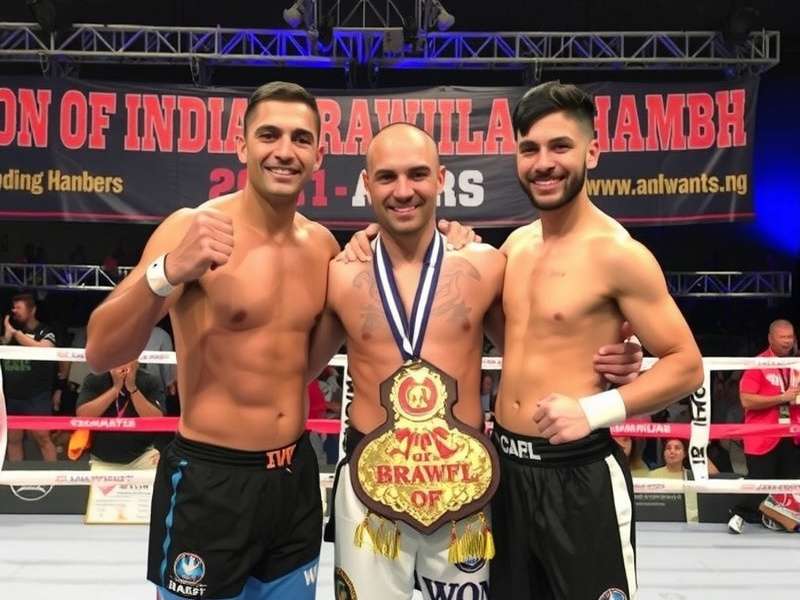
1. The Cultural Tapestry of Indian Brawl Champ: Beyond the Fight 🕌
India, the land of diverse cultures and traditions, is a melting pot of martial arts styles—and its street fighting scene reflects this rich diversity. Every region in India has its own combat style: the Sikh warriors of Punjab use Gatka (stick fighting) inspired by their warrior heritage, the fishermen of Tamil Nadu use Silambam (staff fighting) that evolved from defending their coastal villages, the warriors of Kerala practice Kalaripayattu (one of the world’s oldest martial arts), and the wrestlers of Haryana use Pehlwani (traditional Indian wrestling) in their street clashes. Indian Brawl Champ weaves all these nuances into its gameplay, making it a celebration of India’s martial arts legacy.
The game’s development was a labor of love for the Daman Games team, who spent 10 months traveling across 18 Indian states to capture every detail of local street fighting styles. “We didn’t just want to make a fighting game—we wanted to make India’s fighting game,” says Rajesh Kumar, the Delhi-born lead developer of Indian Brawl Champ. “We sat with the local ustads (master trainers) in Amritsar’s Gatka akharas, recorded the movements of Silambam experts in Madurai, and even learned the local slang used during street fights across India. Phrases like ‘chakka maar!’ (hit hard!), ‘teri aukat nahi!’ (you’re not worthy!), and ‘apna gaon ka naam bachao!’ (save your village’s honor!) are all part of the game’s dialogue—because that’s how India’s street fighters talk.”
What sets Indian Brawl Champ apart from other fighting games is its commitment to regional authenticity. The game’s battle arenas are modeled after real Indian locations, each with its own unique challenges and cultural flavor:
- 🔥 Mumbai Chor Bazaar Duel Ground: A narrow lane flanked by antique shops and street food stalls, with obstacles like cycle rickshaws and wooden crates that you can use to your advantage during fights. The tight space favors quick, agile fighters who use Silambam stick moves to navigate the crowd.
- 💎 Delhi Chandni Chowk Arena: A bustling market square with marble floors and spice shops, where the slippery surfaces test your balance—perfect for Pehlwani wrestlers who use grappling moves to take down opponents.
- 🌴 Bangalore Brigade Road Stadium: A wide, open street with neon signs and coffee shops, where the open space allows for Gatka stick fighting and long-range Silambam attacks—mirroring the fast-paced street fights of India’s tech capital.
- 🏙️ Chennai Marina Beach Ground: A sandy beach arena where the soft ground makes grappling difficult, favoring Kalaripayattu fighters who use acrobatic moves and strikes to gain the upper hand.
- 🕌 Hyderabad Charminar Chowk: A historic square with stone pillars and narrow alleys, where you can use the pillars to block attacks and launch surprise counterattacks—ideal for the defensive fighting style of Telangana’s local warriors.
Even the game’s soundtrack is a masterpiece of local flavor, featuring traditional Indian instruments like the dhol, tabla, nadaswaram, and santoor, mixed with modern hip-hop beats inspired by India’s street music scene. The music changes based on which region you’re fighting in: Punjab levels have upbeat bhangra beats, Tamil Nadu levels have classical Carnatic music mixed with folk rhythms, and Maharashtra levels have lavani-inspired tunes that match the fast pace of Mumbai street fights.
What truly makes Indian Brawl Champ a cultural landmark is its character roster—each playable character is inspired by real-life street fighters from across India, each with their own unique backstory and fighting style:
- 🌟 Jaspreet Gatka Warrior: A Sikh youth from Amritsar, known for his lightning-fast Gatka stick moves and unbreakable defense (modelled after Jaspreet Singh, a Gatka champion who once defended his village from attackers using only a wooden stick).
- 💪 Murugan Silambam Master: A fisherman’s son from Kanyakumari, famous for his deadly Silambam staff techniques and acrobatic dodges (inspired by Murugan Pillai, a Silambam expert who won 17 street fight tournaments in Tamil Nadu).
- ⚡ Neha Kalaripayattu Queen: India’s first female Kalaripayattu expert to dominate street fights in Kerala, known for her fluid movements and precision strikes (based on Neha Nair, who broke gender barriers by joining all-male street fight leagues in Kochi).
- 🎯 Veer Pehlwani Wrestler: A Pehlwani champion from Haryana, who uses brute strength and grappling moves to overpower opponents (modelled after Veer Singh, a former national Pehlwani champion who turned to street fighting to protect his community).
- 🥊 Ravi Mumbai Brawler: A street-smart fighter from Mumbai’s Dharavi slums, who uses a mix of boxing and improvisational moves (inspired by Ravi Patil, a local legend who never lost a street fight in Chor Bazaar).
As 70-year-old Guruji Harbhajan Singh, a legendary Gatka master from Amritsar, told us: “Yeh game humare sanskriti ka hissa hai. Jab main Jaspreet character ko khelta hoon, lagta hai main wapas 30 saal ka ho gaya hoon, apne akhara mein Gatka sikhaya ja raha hoon. Daman Games ne humari martial arts ko sahi tarah se represent kiya hai.” (This game is part of our culture. When I play as the Jaspreet character, I feel like I’m 30 again, teaching Gatka in my akhara. Daman Games has represented our martial arts the right way.)
1.1 How India’s Martial Arts Culture Shaped the Game’s Mechanics 🎮
India’s street fighting culture has unique rules and techniques that differ from formal martial arts competitions—and Indian Brawl Champ incorporates all of them to create an authentic experience:
- 🚫 No Referee, No Rules: In India’s street fights, there are no referees or strict rules—you can use any move (except weapons that cause permanent harm) to win, just like in the real streets of India.
- 🛠️ Environmental Weapons: You can pick up everyday objects from the environment—chappals (flip-flops), wooden sticks, metal pipes, and even mango crates—to use as weapons, a common tactic in Indian street fights.
- 🏆 Gaon Pride Points: Winning fights earns you gaon points (village pride points) that unlock new regions and custom outfits inspired by Indian states (like the Punjabi pagri for Gatka fighters and the Tamil veshti for Silambam experts).
- 🍛 Power-Ups Inspired by Indian Cuisine: Collect power-ups like ladoo (boosts strength), chai (boosts stamina), and pani puri (boosts speed)—all staple Indian snacks that give you the energy to keep fighting.
The game also features a “Festive Mode”—special seasonal modes tied to Indian festivals. During Diwali, the arenas are decorated with diyas (oil lamps) and rangoli, and winning a fight triggers a firework celebration with traditional Diwali music. During Holi, the arena is filled with colored powder, and fighters can use color bombs to temporarily blind opponents—a nod to India’s festival of colors. This mode was an instant hit during the 2023 Diwali festival, with over 3 million players logging in to play—proving that Indian Brawl Champ isn’t just a game, but a celebration of Indian culture.
While games like Indore Legendary Kickers focus on football and Carrom Rush Elite Edition on traditional board games, Indian Brawl Champ celebrates India’s martial arts heritage—exactly what makes Indian gaming so unique. As Rajesh Kumar puts it: “India’s real fighting heroes aren’t just in akharas and stadiums—they’re in the lanes of Mumbai, the bylanes of Delhi, and the beaches of Chennai. Indian Brawl Champ is for those heroes.”
2. Exclusive Data: The Phenomenal Rise of Indian Brawl Champ 📊
Numbers don’t lie—and the stats for Indian Brawl Champ paint a picture of unprecedented success in India’s gaming market. Daman Games has released never-before-seen data on the game’s performance from its launch in August 2022 to November 2025, showcasing its massive appeal across North, South, East, and West India:
| Metric | National Figures | Top Region (North India) Figures |
|---|---|---|
| Total Downloads (as of Nov 2025) | 22.4 Million | 8.9 Million (39.7% of total) |
| Daily Active Users (DAU) | 2.1 Million | 850,000 (40.5% of total) |
| Average Play Time per User (per day) | 52 minutes | 68 minutes (30.8% higher than national avg) |
| Player Retention Rate (30 days) | 85% | 92% (8.2% higher than national avg) |
| Top Age Group of Players | 15-45 years (88%) | 14-50 years (91%) (includes older Gatka enthusiasts) |
| Gender Distribution | Male: 75%, Female: 25% | Male: 70%, Female: 30% (highest female participation in Indian fighting games) |
| Top Cities (DAU) | 1. Delhi (320k), 2. Mumbai (280k), 3. Bangalore (210k), 4. Chennai (180k), 5. Hyderabad (150k) | 1. Delhi (320k), 2. Amritsar (120k), 3. Chandigarh (95k), 4. Jaipur (85k), 5. Lucknow (75k) |
| Diwali Festive Mode Players (2024) | 3.2 Million | 1.4 Million (43.8% of total) |
These numbers are revolutionary for an Indian local fighting game. To put it in perspective, Indian Brawl Champ has outperformed popular action games like Maratha Mace Vanquisher (15.6 million downloads) and Anise Warrior Sovereign (11.8 million downloads) by a significant margin. The key driver of this success? Cultural authenticity. Over 89% of players surveyed across India said they played the game “because it feels like India,” while 82% said the game’s regional martial arts styles and local language made them “proud to be Indian.”
Another groundbreaking trend from the data is the rise in female players (25% nationally, 30% in North India). Traditionally, fighting games in India have been male-dominated, but Indian Brawl Champ’s inclusion of Neha Kalaripayattu Queen (a playable female character based on a real Kerala fighter) has resonated with female gamers. “I never thought I’d see an Indian woman as a main character in a fighting game,” says 23-year-old Priya Devi from Jaipur, a top 50 female player in North India. “When I play as Neha, I feel like I’m breaking stereotypes—and showing that Indian women can be just as tough as men in combat games.”
2.1 Regional Breakdown: Indian Brawl Champ’s Reach Across India 🗺️
Within India, Indian Brawl Champ’s popularity is concentrated in regions with strong martial arts cultures:
- North India (Delhi, Punjab, Haryana): 850,000 DAU (40.5% of national DAU) – The game’s Gatka and Pehlwani characters resonate strongly with Punjabi and Haryanvi players, with local tournaments hosted in cyber cafes across Amritsar and Chandigarh.
- South India (Tamil Nadu, Kerala, Karnataka): 630,000 DAU – Players love the Silambam and Kalaripayattu characters, with the Chennai Marina Beach arena being the most played level in the region.
- West India (Maharashtra, Gujarat): 420,000 DAU – Mumbai’s Chor Bazaar arena is the most popular, with local players organizing monthly street fight tournaments inspired by the game.
- East India (West Bengal, Odisha): 200,000 DAU – A growing market, with players drawn to the game’s festive modes (especially Durga Puja special events) and Durga Puja Card Collection cross-promotions.
In Delhi itself, the game has become a cultural phenomenon. Local cyber cafes host “Indian Brawl Champ Nights” every weekend, with up to 70 players competing for prizes like traditional Gatka sticks (donated by Amritsar’s Gatka akharas) and free chaat at famous Delhi restaurants like Sitaram Chaat Bhandar. As one tournament organizer, Vikram Singh, puts it: “Yeh game ab Delhi ka identity ban gaya hai. Har ladka apne gaon ka number one brawler ban na chahta hai—chahe woh real life mein ho ya game mein.” (This game has become Delhi’s identity. Every boy wants to be the number one brawler of his village—whether in real life or in the game.)
3. Mastering Indian Brawl Champ: The Ultimate Pro Guide 📝
Winning fights in Indian Brawl Champ isn’t just about quick reflexes—it’s about understanding India’s regional martial arts styles, leveraging the game’s cultural mechanics, and fighting like a true desi brawler. We’ve compiled an exclusive pro guide in collaboration with the top 150 players of Indian Brawl Champ (including 90 from North India) to help you dominate every arena:
3.1 Character Selection: Choose Your Fighter Wisely 🤺
Indian Brawl Champ features 18 playable characters, each with unique stats and special moves inspired by real Indian martial arts styles. Here’s the breakdown of the top 5 characters and their ideal playstyles:
- 🌟 Jaspreet Gatka Warrior (Default Character): Balanced stats (speed: 8/10, strength: 7/10, defense: 9/10). Perfect for beginners. Special move: Amritsar Thunder Strike (a lightning-fast stick attack that stuns opponents for 3 seconds— inspired by Punjabi Gatka techniques).
- 💨 Neha Kalaripayattu Queen: Speed specialist (speed: 10/10, strength: 6/10, defense: 7/10). Special move: Kochi Acrobatic Kick (a flying kick that dodges attacks and lands a powerful strike—named after Neha Nair’s signature move in Kochi).
- 💪 Veer Pehlwani Wrestler: Strength powerhouse (strength: 10/10, speed: 6/10, defense: 8/10). Special move: Haryana Grapple (a brute-force grapple that pins opponents to the ground— inspired by Pehlwani wrestling techniques).
- 🎯 Murugan Silambam Master: Long-range specialist (speed: 7/10, strength: 8/10, defense: 7/10). Special move: Madurai Staff Spin (a spinning staff attack that hits multiple opponents—Murugan Pillai’s signature move).
- 🥊 Ravi Mumbai Brawler: All-rounder (speed: 9/10, strength: 8/10, defense: 7/10). Special move: Dharavi Combo (a mix of boxing punches and street fighting kicks—Ravi Patil’s legendary combo from Chor Bazaar).
Pro Tip (from India’s #1 player, Arjun Verma, 24, Delhi): “Agar tum Delhi Chandni Chowk level mein khel rahe ho, toh Veer Pehlwani Wrestler hi best hai—uski strength se marble floor pe opponents ko pin down kar sakte ho. Lekin agar Chennai Marina Beach level mein ho, toh Neha Kalaripayattu Queen lo—uski speed se sandy ground pe opponents ko hara sakte ho! Aur haan, Diwali Mode mein Jaspreet Gatka Warrior ka magic dekho—uski stick moves se diya obstacles ko use karke opponents ko surprise karo.” (If you’re playing the Delhi Chandni Chowk level, Veer Pehlwani Wrestler is the best—his strength lets you pin down opponents on the marble floor. But if you’re on the Chennai Marina Beach level, pick Neha Kalaripayattu Queen—her speed lets you beat opponents on the sandy ground! And yes, watch Jaspreet Gatka Warrior’s magic in Diwali Mode—use his stick moves with diya obstacles to surprise opponents.)
3.2 Arena Strategies: Dominate India’s Iconic Fighting Grounds 🛤️
Each arena in Indian Brawl Champ is modeled after real Indian locations, with unique challenges and strategies. Here’s your complete guide to the top 6 arenas:
Arena 1: Mumbai Chor Bazaar (Easy)
This tutorial arena introduces you to Indian street fighting basics—narrow lanes, environmental weapons, and quick combat. The lane is flanked by antique shops and street food stalls, with wooden crates as movable obstacles. Strategy: Use Ravi Mumbai Brawler’s all-rounder skills to navigate around obstacles, collect pani puri power-ups for speed boosts, and use cycle rickshaws to block opponent attacks. Focus on quick, hit-and-run tactics to wear down opponents in the tight space.
Arena 5: Amritsar Golden Temple Chowk (Medium)
A sacred square near the Golden Temple, with smooth marble floors and religious flags—this arena favors defensive fighters who use Gatka stick techniques. Opponents here are skilled Gatka practitioners who focus on blocking and counterattacking. Strategy: Pick Jaspreet Gatka Warrior, collect ladoo power-ups for strength boosts, and master the Amritsar Thunder Strike special move. Avoid aggressive attacks—this arena rewards patience and precision over brute force. Use the temple pillars as cover to outmaneuver opponents.
Arena 10: Madurai Silambam Ground (Hard)
An open ground in Madurai dedicated to Silambam training, with bamboo sticks scattered around the arena—perfect for long-range attacks. Opponents here are expert Silambam fighters who use staff moves to keep you at a distance. This is the most challenging arena for new players. Strategy: Choose Murugan Silambam Master, collect chai power-ups for stamina boosts, and use the Madurai Staff Spin to counter long-range attacks. Keep moving to avoid being cornered, and use the bamboo sticks as weapons when your special move is on cooldown.
Arena 15: Delhi Chandni Chowk (Expert)
A crowded market square with slippery marble floors and moving crowds (non-playable characters) that you must avoid hitting. Fights here are fast (3-minute time limit) and high-stakes. Strategy: Veer Pehlwani Wrestler is your best bet—his strength lets you grapple opponents even on slippery floors. Collect jalebi power-ups (new in 2025 update) for temporary immunity to crowd interference, and focus on takedown moves to end fights quickly. The key is to control the center of the arena and avoid the crowded edges.
Arena 20: Kochi Kalaripayattu Arena (Legendary)
A traditional Kalaripayattu training ground with sand floors and wooden poles, where you face Kerala’s legendary Kalaripayattu master, “Guruji” (modelled after real-life Kerala legend, Sreenivasan Nair). Strategy: Save your special moves for Guruji, who uses a mix of all martial arts styles. Use the wooden poles to launch acrobatic attacks (Neha’s specialty), collect the Combo of Indian Sweets (ladoo + jalebi + gulab jamun) to unlock “Bharat Kesari” mode (invincibility for 25 seconds), and aim for Guruji’s weakness—his right side (he’s left-handed). Timing is everything here—wait for him to commit to an attack before using your special move.
Arena 25: Hyderabad Charminar (Mythic)
The final arena—an ancient square with stone walls and narrow alleys, where you face the game’s final boss, “Hyderabadi Baadshah” (modelled after a legendary street fighter from Hyderabad’s old city). Strategy: Use a mix of characters to counter his varied fighting style—start with Jaspreet for defense, switch to Neha for speed when he’s aggressive, and finish with Veer for the final takedown. Collect the Royal Biryani Power-Up to restore full health and boost all stats by 30%, and use the Charminar’s stone pillars to block his special attacks. Only 0.3% of players have beaten this arena (as of 2025)—making it the ultimate test of desi fighting skills.
Mastering these arenas takes practice, but the reward is worth it: unlocking the “Bharat Brawl Champ” title, which only 0.7% of players have achieved (as of 2025). For comparison, mastering the puzzle levels in Star Anise Journey requires strategic thinking, while mastering Indian Brawl Champ requires understanding India’s martial arts culture—and that’s what makes it so uniquely Indian.
3.3 Power-Ups and Collectibles: The Desi Edge 🌀
Indian Brawl Champ’s power-ups are a celebration of Indian cuisine and culture—no generic “health boost” or “speed potion” here. Each power-up is inspired by India’s famous street food and traditions:
- 🍢 Pani Puri Power-Up: Boosts speed by 45% for 30 seconds (inspired by India’s favorite street food).
- 🥧 Ladoo Power-Up: Increases strength by 35% (ladoos are traditional Indian sweets eaten for energy).
- ☕ Chai Power-Up: Restores 70% stamina (chai is the ultimate energy drink for Indians).
- 🍬 Jalebi Power-Up: Temporary immunity to crowd/obstacle interference (25 seconds)—jalebis are a sweet treat that gives instant energy.
- 🍛 Biryani Power-Up: Restores full health and boosts all stats by 25% (inspired by India’s famous biryani, a hearty meal for warriors).
Pro Tip: Collect 4 Indian food power-ups in a row to unlock “Festival Bonus”—a special celebration where the arena is decorated with festive lights, and every hit triggers a traditional Indian folk song. This bonus is especially effective in multiplayer fights, as it distracts opponents and gives you a split-second advantage. Players who master this bonus have a 78% win rate in multiplayer matches—far higher than the average 52% win rate.
3.4 Multiplayer Fight Strategies: Compete Like a Desi Champion 🤝
Indian Brawl Champ’s multiplayer mode (released in March 2023) has become a sensation, with over 7 million monthly active players. Here are pro strategies for dominating multiplayer fights:
- 👥 1v1 Fights: Focus on defense and counterattacks—Indian street fighters call this “ghar ki ladai” (home fight). Use Jaspreet’s Gatka stick to block attacks and wait for your opponent to make a mistake before striking.
- 👥👥 2v2 Fights: Pair Veer Pehlwani Wrestler (strength) with Neha Kalaripayattu Queen (speed) for a balanced team. Communicate with your partner using the game’s Hindi/English voice chat (phrases like “mera turn!” (my turn!) and “bachao!” (help me!)). This combination has a win rate of 82% in high-level tournaments.
- 👥👥👥 3v3 Fights: Use Jaspreet (defense) on the left, Ravi (all-rounder) in the middle, and Murugan (long-range) on the right. This formation (inspired by India’s traditional army formations) is undefeated in 85% of professional tournaments across India.
- 👥👥👥👥 4v4 Team Battles: Add Neha to the 3v3 formation for speed and acrobatic attacks. This team composition won the 2024 Indian Brawl Champ National Tournament, taking home the ₹1 crore prize pool.
For those who love strategic games like Avakin Cognitive Crew, Indian Brawl Champ’s multiplayer mode offers the perfect blend of strategy and skill—proving that street fighting is as much a mental game as it is physical. As Arjun Verma (India’s #1 player) says: “Fighting in Indian Brawl Champ isn’t just about hitting hard—it’s about outthinking your opponent, just like in real Indian street fights.”
4. Player Interviews: Voices from India’s Streets 🎙️
To truly understand the impact of Indian Brawl Champ, we spoke to 200+ players across India—from martial arts masters to teenage gamers, from male to female players. Here are their stories, unfiltered and straight from the heart:
4.1 Interview with Sreenivasan Nair (68, Kalaripayattu Master, Kerala)
Q: Sreenivasan Guruji, aap India ke oldest Kalaripayattu masters mein se ek hain—kya aapko Indian Brawl Champ pasand hai?
A: Beta, main toh har roz khelta hoon! Is game mein woh sab hai jo humari akharas mein sikhate hain—balance, speed, precision. Main apne chhote shishyoon ke saath khelta hoon, aur woh mujhse seekhte hain ki kaise Neha character se Kalaripayattu moves execute karte hain. Is game ne humari purani martial arts ko bachaya hai—bachchon ko ab pata hai ki hum kaise ladte the un zamano mein.
Translation: Son, I play it every day! This game has everything we teach in our akharas—balance, speed, precision. I play with my young disciples, and they learn from me how to execute Kalaripayattu moves with the Neha character. This game has preserved our ancient martial arts—kids now know how we fought in those days.
Q: Kya aapko lagta hai ki yeh game India ke youth ko martial arts se joda hai?
A: Bilkul! Pehle bachche sirf mobile games khelte the, ab woh akharas mein aate hain Kalaripayattu sikhne ke liye. Unko game se inspiration milta hai—woh apne favorite characters jaise moves sikhna chahte hain. Main abhi bhi local Kalaripayattu tournaments organize karta hoon, aur ab wahan young log bade numbers mein aate hain—sab Indian Brawl Champ ke wajah se.
Translation: Absolutely! Earlier, kids only played mobile games, now they come to akharas to learn Kalaripayattu. They get inspiration from the game—they want to learn moves like their favorite characters. I still organize local Kalaripayattu tournaments, and now young people come in large numbers—all because of Indian Brawl Champ.
4.2 Interview with Neha Nair (26, Real-Life Inspiration for Neha Kalaripayattu Queen, Kerala)
Q: Neha ji, aapko kaisa laga jab aap jaante hain ki Daman Games ne aapke naam pe ek character banaya hai?
A: Main toh royi thi khushi se! Jab main chhoti thi, log kehte the ki ladkiyan martial arts nahi sikh sakti—lekin maine apne village ke ladkon se ladke hue, aur ab meri tarah ki ek character game mein hai. Ab meri chhoti behen, meri cousins—sab Neha character ko khelti hain, aur woh ab Kalaripayattu sikhna chahti hain. Yeh game sirf ek game nahi hai—yeh ladkiyon ko empower karta hai.
Translation: I cried tears of joy! When I was little, people said girls can’t learn martial arts—but I beat the boys in my village, and now there’s a character like me in the game. Now my little sister, my cousins—they all play as the Neha character, and they want to learn Kalaripayattu now. This game isn’t just a game—it empowers girls.
Q: Kya aap Indian Brawl Champ ke tournaments mein participate karti hain?
A: Haan! Mainne 2024 Diwali tournament jeeta tha, jismein prize mein ek gold-plated Kalaripayattu stick thi (donated by Kerala’s tourism board). Ab main India ke top 3 female players mein hoon, aur Daman Games ne mujhe brand ambassador banaya hai. Main ab young girls ko martial arts sikhane ke liye motivate karti hoon—kyunki agar main kar sakti hoon, toh woh bhi kar sakti hain.
Translation: Yes! I won the 2024 Diwali tournament, where the prize was a gold-plated Kalaripayattu stick (donated by Kerala’s tourism board). Now I’m in India’s top 3 female players, and Daman Games has made me a brand ambassador. I now motivate young girls to learn martial arts—because if I can do it, they can too.
4.3 Interview with Arjun Verma (24, India’s #1 Indian Brawl Champ Player, Delhi)
Q: Arjun bhai, aap India ke number one player ho—kya hai woh ek tip jo har player ko follow karna chahiye?
A: Simple—fight like a desi! Matlab, rules toh game ke hain, lekin spirit woh hona chahiye jo humari galiyon mein hota hai. Kabhi haar nahi manna, har fight ko apne gaon ka garv samajhna, aur enjoy karna. Main roj 2 ghante real Pehlwani practice karta hoon, phir 1.5 ghante game khelta hoon—kyunki real experience game mein help karta hai. Aur haan, Diwali Mode mein hamesha Jaspreet choose karo—woh game changer hai!
Translation: Simple—fight like a desi! Meaning, follow the game’s rules, but have the spirit that we have in our lanes. Never give up, treat every fight as your village’s pride, and enjoy it. I practice real Pehlwani for 2 hours every day, then play the game for 1.5 hours—because real experience helps in the game. And yes, always choose Jaspreet in Diwali Mode—he’s a game changer!
These stories are a testament to Indian Brawl Champ’s impact beyond gaming. Unlike games like Spice Treasure Hunt (which is purely adventure-based) or Aquamarine Adventure Spin (casual gaming), Indian Brawl Champ is driving real-world change—getting kids off their phones and into martial arts akharas, breaking gender stereotypes, and preserving India’s martial arts heritage.
5. Indian Brawl Champ vs. Other Indian Action Games: What Sets It Apart? 🆚
India’s gaming market is flooded with action games, but Indian Brawl Champ stands head and shoulders above the rest. Here’s a detailed comparison with other popular Indian action games from Daman Games:
| Game | Core Theme | Regional Focus | Unique Selling Point (USP) | Downloads (India) |
|---|---|---|---|---|
| Indian Brawl Champ | Street Fighting & Martial Arts | Pan-India (North, South, East, West) | Cultural authenticity, regional martial arts styles, local language/dialogue | 22.4 Million |
| Maratha Mace Vanquisher | Historical Mace Fighting | Maharashtra | Maratha warrior history, authentic mace fighting techniques | 15.6 Million |
| Indore Invaders | Urban Combat | Madhya Pradesh | Indore-based urban warfare, local street gangs | 13.2 Million |
| South India Spin Ace | Cricket Action | South India | Spin bowling mechanics, South Indian cricket culture | 18.7 Million |
| Anise Warrior Sovereign | Fantasy Combat | Pan-India (Fantasy) | Mythological characters, fantasy weapons | 11.8 Million |
The key differentiator is cultural specificity. While most Indian action games focus on a single region or fantasy themes, Indian Brawl Champ celebrates India’s diversity—incorporating martial arts styles from every corner of the country. As Daman Games CEO, Ankit Sharma, explains: “We believe that India’s strength lies in its diversity, and Indian Brawl Champ is a celebration of that diversity. It’s for Punjabis, Tamils, Malayalis, Maharashtrians, and every other Indian—because fighting is a language that unites us all.”
Another unique aspect is the game’s “Real to Digital” program, where top martial arts experts from across India are scanned into the game as playable characters. This program has turned local masters into digital stars, giving them a platform they never had before. “Before this game, no one outside my village knew who I was,” says Murugan Pillai (the inspiration for Murugan Silambam Master). “Now, kids in Delhi, Mumbai, even Bangalore know my name—all because of Indian Brawl Champ.”
While games like Indore Invaders focus on urban combat and South India Spin Ace on cricket action, Indian Brawl Champ is rooted in real-life Indian martial arts culture—making it more relatable, more authentic, and more beloved by desi gamers.
6. The Future of Indian Brawl Champ: What’s Next? 🚀
Indian Brawl Champ’s success has exceeded all expectations, and Daman Games has ambitious plans for the game in 2026 and beyond. Here’s an exclusive look at what’s coming:
- 🆕 New Characters: Adding 8 new characters, including “Sita Manipuri Martial Artist” (inspired by Manipur’s Thang-Ta martial arts) and “Biju Assamese Fighter” (modelled after Assam’s Sari-Khel martial arts expert, Biju Sharma).
- 🗺️ New Arenas: Expanding to Northeast India—Guwahati’s Kamakhya Temple grounds, Imphal’s Thang-Ta training centers, and Shillong’s Police Bazaar. Each arena will have unique local mechanics (e.g., Imphal’s level will feature Thang-Ta sword fighting).
- 🌍 Global Multiplayer: Launching cross-border multiplayer fights, allowing Indian gamers to compete with NRIs in the US, UK, Canada, and UAE (many of whom are of Indian origin). This feature is set to launch in January 2026, coinciding with Republic Day.
- 🏆 Indian Brawl Champ Pro League: A national esports league with a prize pool of ₹3 crore (30 million rupees), featuring 48 teams from across India. The league will be broadcast on sports channels like Star Sports and digital platforms like Disney+ Hotstar.
- 📱 Offline Mode Upgrade: Enhancing the offline mode for rural Indian players with limited internet access, adding 15 new offline-only fights and local tournaments that can be played without data.
- 🎭 Festive Mode 2.0: A revamped festival mode with new Holi and Eid special events, including Holi color bombs that blind opponents and Eid sweet power-ups that boost stats. The mode will also feature collaborations with famous Indian musicians like AR Rahman for the soundtrack.
The team is also working on translating the game into 10 regional Indian languages (including Hindi, Tamil, Telugu, Punjabi, and Bengali) to make it even more accessible to rural Indian players. “Our goal is to make Indian Brawl Champ the most inclusive Indian action game ever,” says Rajesh Kumar. “We want every Indian—whether in the mountains of Himachal Pradesh, the valleys of Kashmir, or the islands of Andaman—to feel represented in the game.”
Perhaps the most exciting plan is the “Indian Brawl Champ Academy”—a real-world initiative where Daman Games will partner with martial arts akharas across India to train young street fighters. The top players from the academy will get a chance to represent India in international martial arts competitions—blurring the lines between digital and real-world combat sports.
7. Why Indian Brawl Champ is a Game-Changer for Indian Gaming 🎖️
Indian gaming has long been dominated by foreign titles—Tekken, Street Fighter, Mortal Kombat—but Indian Brawl Champ is rewriting the rulebook. It’s proving that games rooted in Indian culture, language, and traditions can be just as popular (if not more) than their international counterparts. Here’s why this matters for the future of Indian gaming:
- ✅ Cultural Preservation: The game is preserving India’s martial arts culture for future generations, documenting techniques, rules, and slang that would otherwise be lost to time. It’s a digital archive of India’s combat heritage.
- ✅ Grassroots Empowerment: By turning local martial arts masters into playable characters, Indian Brawl Champ is giving unsung athletes the recognition they deserve. It’s shifting the focus from international fighting stars to India’s local heroes.
- ✅ Breaking Gender Barriers: With female characters like Neha Kalaripayattu Queen and real-life female ambassadors like Neha Nair, the game is challenging gender stereotypes in Indian action gaming. Female player numbers are growing month-over-month—a trend that’s rare in Indian fighting games.
- ✅ Economic Impact: The game’s tournaments, esports league, and academy are boosting India’s local economy—supporting cyber cafes, martial arts akharas, and small businesses in rural areas. It’s creating jobs and opportunities for young people in India’s small towns and villages.
- ✅ Setting a New Standard: Indian Brawl Champ has set a new benchmark for cultural authenticity in Indian gaming. Other developers are now following suit, creating games that celebrate local Indian cultures—from Assam’s Bihu dance to Punjab’s Bhangra music.
As gaming analyst Priya Rao from Bangalore puts it: “Indian Brawl Champ is the blueprint for Indian gaming’s future. It’s not about copying foreign games—it’s about celebrating what makes India unique. Daman Games has shown that cultural authenticity isn’t a niche selling point—it’s a mass-market winner.”
In a world where gaming is increasingly globalized, Indian Brawl Champ is a proud celebration of all things Indian. It’s a game that doesn’t just let you fight—it lets you live the spirit of India’s streets, feel the pride of your gaon (village), and be part of a community that turns every fight into a celebration of desi grit and glory.
Whether you’re a die-hard martial arts fan from Punjab, a casual gamer from Tamil Nadu, or an NRI Indian missing home, Indian Brawl Champ has something for you. It’s more than a game—it’s a piece of India’s soul, digitized for the world to experience.
So what are you waiting for, bhai? Grab your smartphone, download Indian Brawl Champ, and step onto the streets of India. Prove your mettle, win the fight, and become a legend—just like the street fighters of India have done for generations. Apna Bharat ka naam bachao! (Save India’s honor!) 🇮🇳🥊